Don't spend 3 years to learn what you don't need
Learn career-specific German language skills engineered for technical professionals. Focused. Efficient. Career-ready.
The specialized approach that transformed medical German is now available for engineers.
The specialized government approach
German government funds specialized programs that prepare medical staff for hospitals in just 6 months. Yet engineers face a critical gap - no such focused training exists for technical careers. Until now. We've created the first German course specifically engineered for technical professionals.
Faster professional fluency
Reach workplace-ready language proficiency in 6 months instead of the typical 3 years with traditional German courses.
Workplace specific senarios
We deliver technical vocabulary, communication patterns, relevant grammer, and senario based learning, taking you from beginner level to being able to communicate.
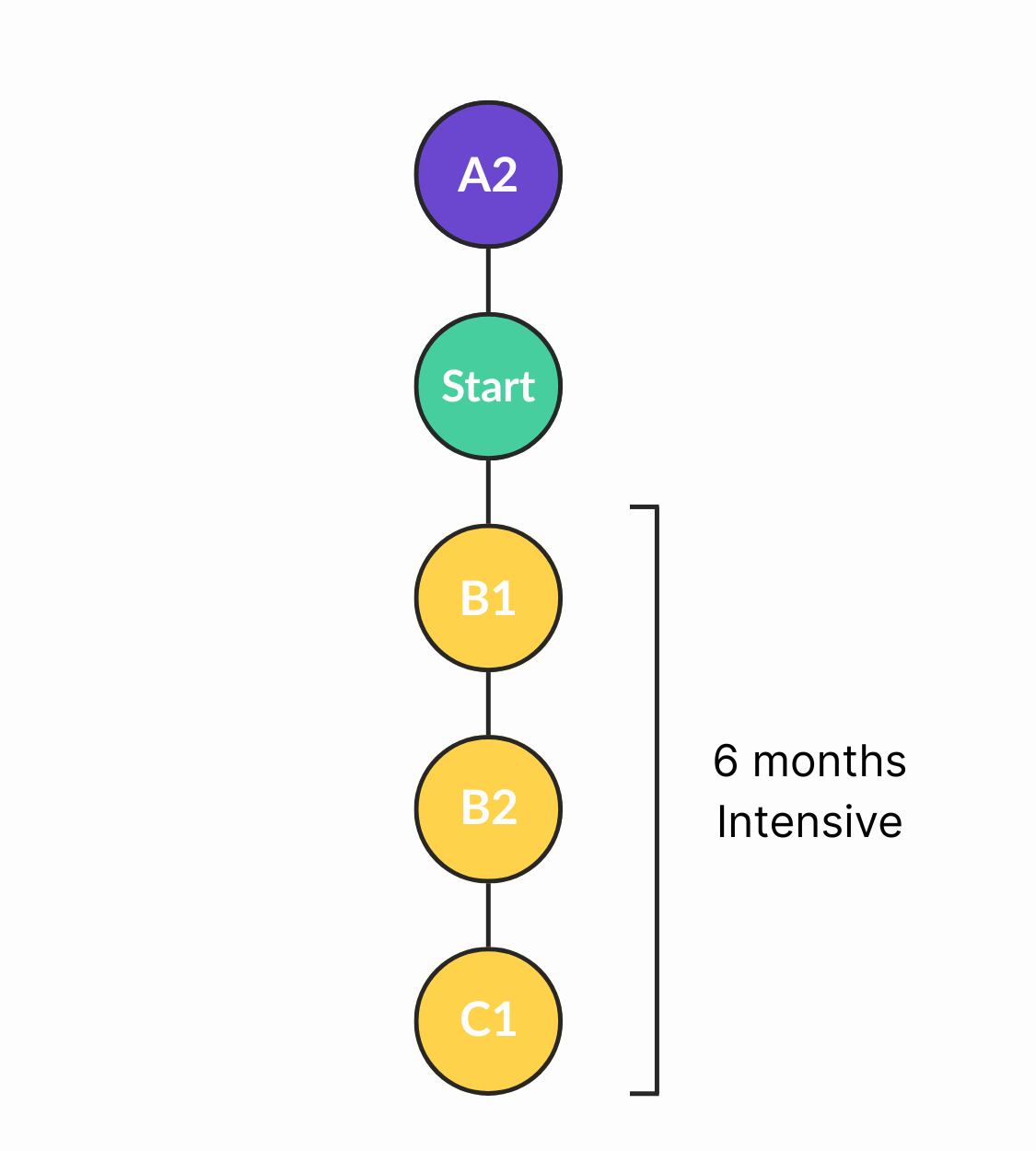
You need beginner german and 6 months
You can enroll in the course if you have completed the A2 level. We guide you through all the engineering-relevant German skills required for B1, B2, and C1 levels. By focusing on essential content, we condense 3 years of learning into just 6 months by excluding irrelevant German topics.
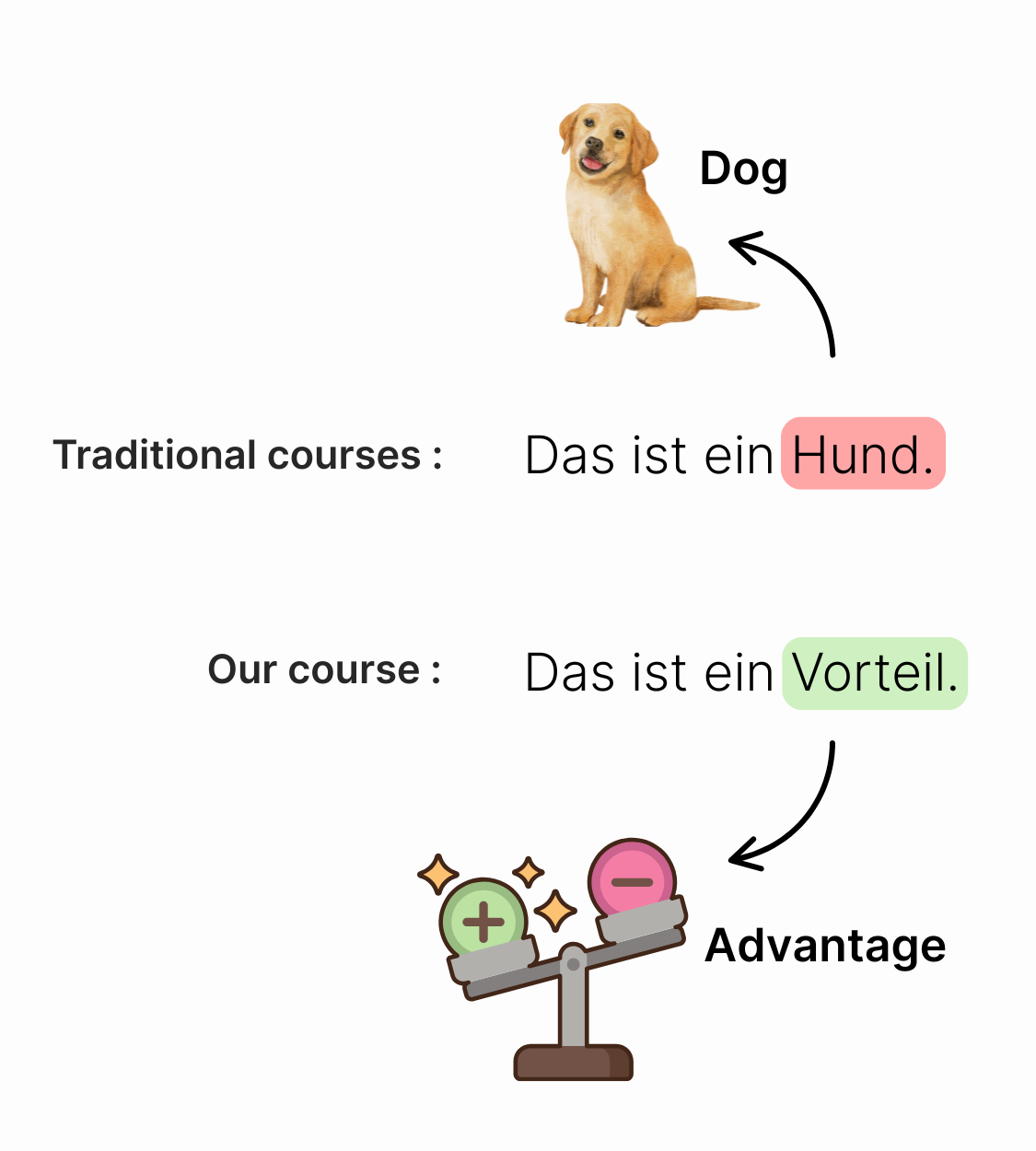
Learn vocabulary that traditional courses will not teach
At work, you won't be discussing topics like Weather, Culture, or Traveling. Instead, you'll focus on Problems and Solutions, Justifying What You Developed, Making Requests and Proposals, and much more. So, it's important to learn what really matters.
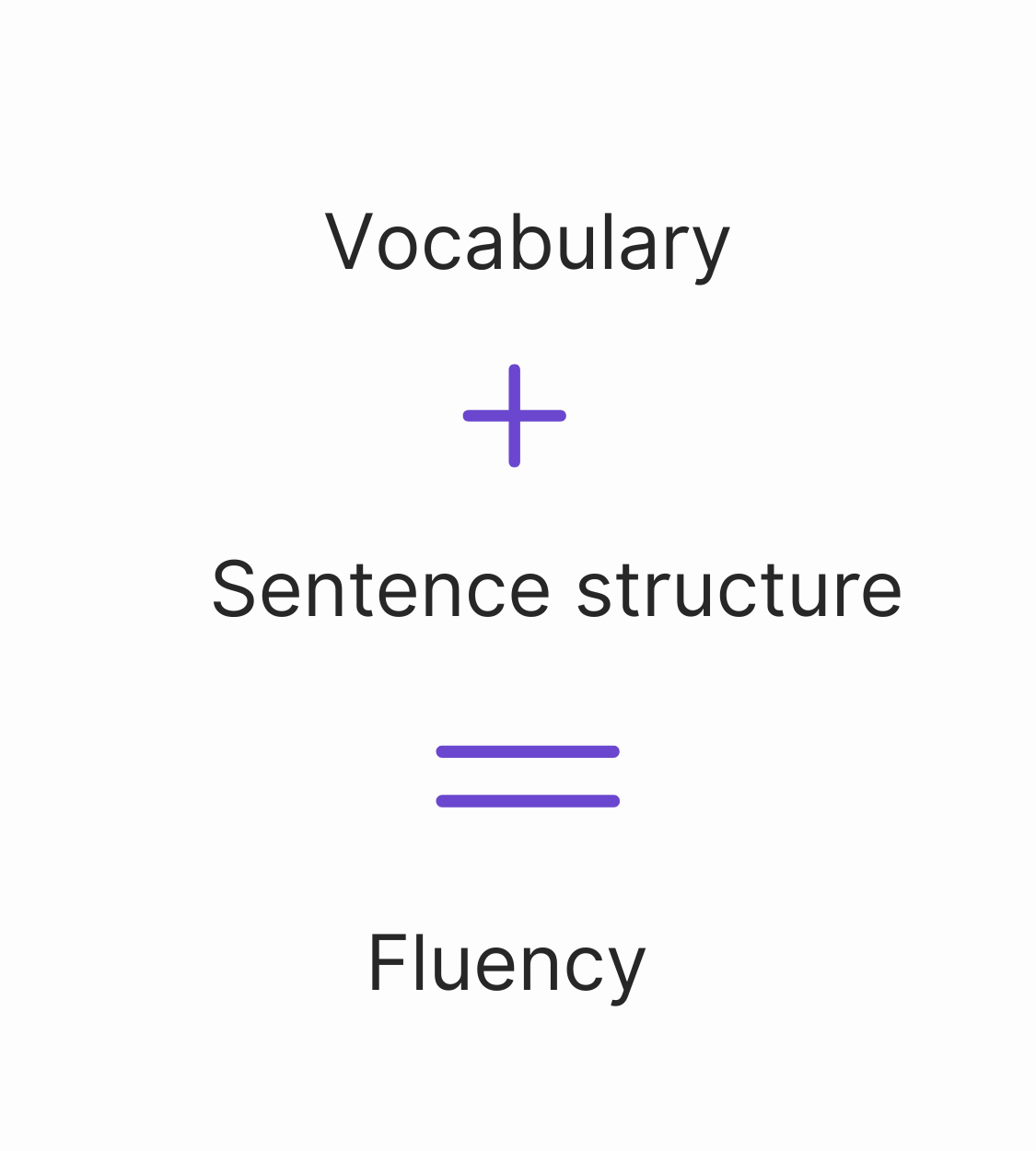
Fluency through sentence pattern recognition
We provide a conversational toolbox for over 600 engineering use cases. For example:
- Want to give an opinion? Use "meiner Meinung nach..."
- Want to give a reason? Use "...weil..."
- Want to talk about dependency? Use "...ist abhängig von..."
This way, you'll have the right structure for every situation at work.
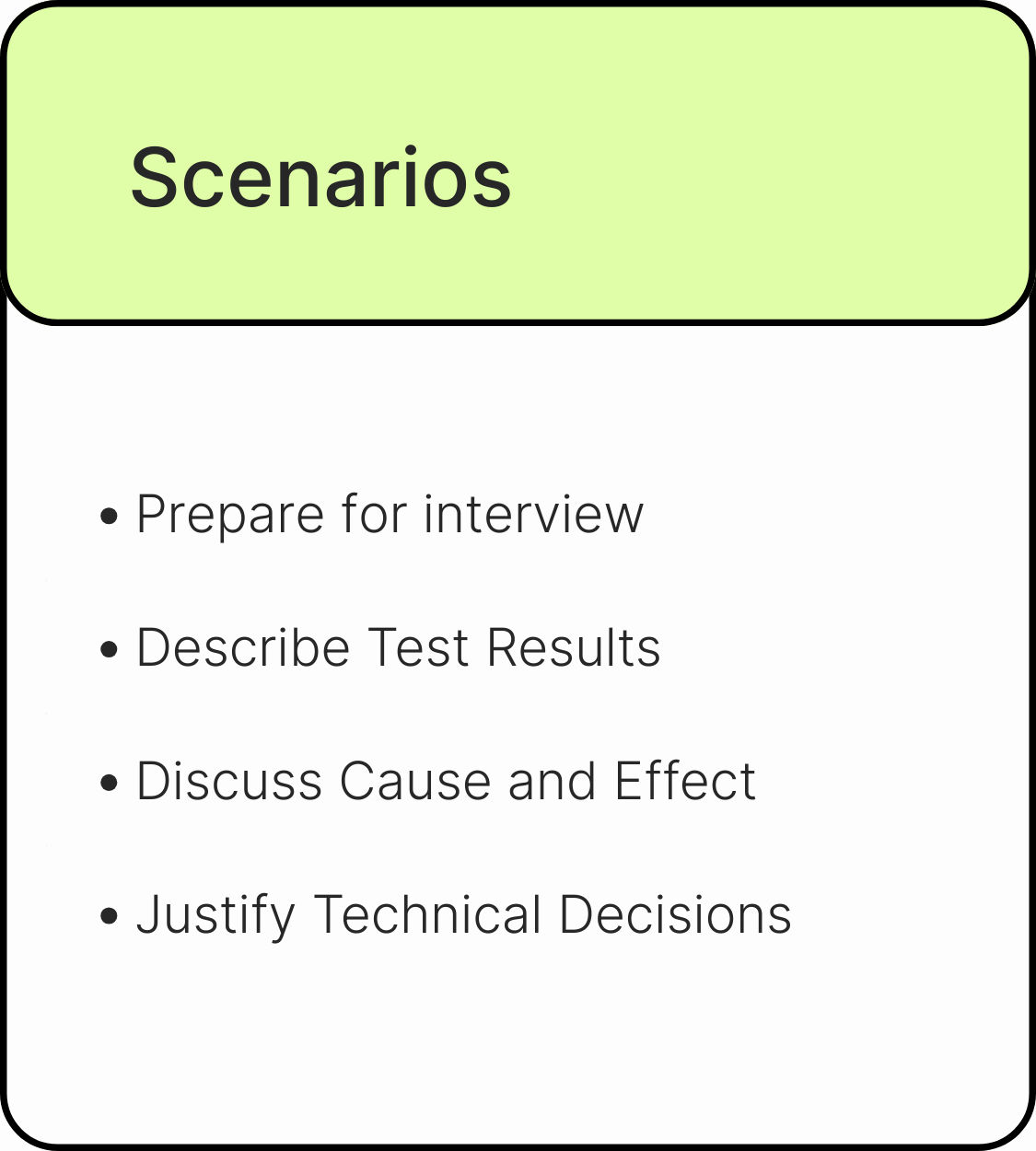
Scenario based learning from real life engineering conversations
We focus on scenario-based learning by breaking down real-life conversations, such as how to express agreement, endorse ideas, describe test results, and discuss the feasibility of proposed technical solutions.
Course structure
Click to expand
Phase 1: Onboarding and Initial Integration
Module 1: First Workplace Interactions
- Unit 1.1: Professional Introductions and Greetings
- Unit 1.2: Workplace Navigation and Orientation
- Unit 1.3: Basic Technical Vocabulary
- Unit 1.4: Initial Workplace Communication
- Unit 1.5: Workplace Rules and Protocols
Module 2: Professional Background and Team Integration
- Unit 2.1: Discussing Professional Experience
- Unit 2.2: Explaining Technical Interests
- Unit 2.3: Team Communication Basics
- Unit 2.4: Describing Technical Functions
- Unit 2.5: Formal and Informal Address
Phase 2: Technical Foundations and Team Integration
Module 3: Basic Technical Communication
- Unit 3.1: Technical Explanations and Simplifications
- Unit 3.2: Making Requests and Proposals
- Unit 3.3: Expressing Opinions and Uncertainty
- Unit 3.4: Stating Agreement and Endorsing Ideas
- Unit 3.5: Work Instructions and Assignments
Phase 3: Project Involvement and Technical Communication
Module 4: Technical Descriptions and Specifications
- Unit 4.1: Describing Materials and Properties
- Unit 4.2: Discussing Measurements and Parameters
- Unit 4.3: Evaluating Technical Suitability
- Unit 4.4: Explaining Technical Advantages
- Unit 4.5: Material Procurement Communication
Module 5: Project Communication and Documentation
- Unit 5.1: Verbally Explaining Procedures
- Unit 5.2: Verbal Reporting and Handovers
- Unit 5.3: Summarizing Technical Discussions
- Unit 5.4: Ensuring Documentation Traceability
- Unit 5.5: Technical Instructions and Manuals
Phase 4: Problem-Solving and Technical Collaboration
Module 6: Technical Problem Identification
- Unit 6.1: Identifying Technical Problems
- Unit 6.2: Describing Faults and Severity
- Unit 6.3: Expressing Opposition and Criticism
- Unit 6.4: Off-Topic and Social Communication
- Unit 6.5: Reporting Work Process Disruptions
Module 7: Technical Problem-Solving
- Unit 7.1: Troubleshooting Procedures
- Unit 7.2: Threshold Adjustments and Calibration
- Unit 7.3: Maintenance and Repair Discussions
- Unit 7.4: Health and Safety Communication
- Unit 7.5: Solution Proposals and Implementation
Phase 5: Project Responsibilities and Leadership
Module 8: Project Planning and Development
- Unit 8.1: Project Phases and Development
- Unit 8.2: Task Assignment and Coordination
- Unit 8.3: Progress Tracking and Reporting
- Unit 8.4: Resource Optimization Discussions
- Unit 8.5: Work Schedule Coordination
Module 9: Technical Meetings and Presentations
- Unit 9.1: Leading Technical Meetings
- Unit 9.2: Presenting Technical Information
- Unit 9.3: Discussing Technical Requirements
- Unit 9.4: Regulations and Standards Discussions
- Unit 9.5: Meeting Participation and Documentation
Phase 6: Technical Decision-Making and Expertise
Module 10: Technical Testing and Analysis
- Unit 10.1: Test Planning and Procedures
- Unit 10.2: Describing Test Results
- Unit 10.3: Analyzing Experimental Data
- Unit 10.4: Discussing Cause and Effect
- Unit 10.5: Workplace Safety Protocols
Module 11: Technical Solutions and Improvements
- Unit 11.1: Proposing Technical Solutions
- Unit 11.2: Suggesting Improvements
- Unit 11.3: Assessing Feasibility
- Unit 11.4: Implementing Technical Changes
- Unit 11.5: Process Improvement Suggestions
Phase 7: Advanced Responsibilities and Compliance
Module 12: Technical Decision-Making
- Unit 12.1: Justifying Technical Decisions
- Unit 12.2: Explaining Technical Constraints
- Unit 12.3: Negotiating Technical Priorities
- Unit 12.4: Finalizing Technical Decisions
- Unit 12.5: Employee Performance Discussions
Module 13: Conflict Resolution and Compliance
- Unit 13.1: Addressing Technical Disagreements
- Unit 13.2: Constructive Criticism
- Unit 13.3: Ensuring Compliance
- Unit 13.4: Accident Reporting and Prevention
- Unit 13.5: Conflict Resolution Strategies
Phase 8: Leadership and Strategic Communication
Module 14: Technical Performance and Capabilities
- Unit 14.1: Technical Performance Assessment
- Unit 14.2: Comparative Analysis Discussions
- Unit 14.3: Employee Performance Discussions
- Unit 14.4: Quality Assurance Discussions
- Unit 14.5: Professional Development Discussions
Module 15: Technical Leadership and Innovation
- Unit 15.1: Team Leadership Communication
- Unit 15.2: Technical Mentoring
- Unit 15.3: Strategic Technical Planning
- Unit 15.4: Cross-Functional Communication
- Unit 15.5: Team Building and Collaboration
Module 16: Advanced Technical Negotiation
- Unit 16.1: Technical Negotiation
- Unit 16.2: Innovation Management
- Unit 16.3: Technical Presentations for Stakeholders
- Unit 16.4: Technical Report Discussions
- Unit 16.5: Customer Communication
What our beta users are saying
Feedback from engineers using our course.

Thomas
Mechanical Engineer

Sarah
Software Engineer

Michael
Automotive Engineer

Elena
Electrical Engineer

David
Systems Engineer

Anna
Process Engineer
Want to be one of our first users?
FAQs
You need to have completed the A2 level in German to enroll in our course. This ensures you have the basic language foundation needed to build upon with our technical content. We'll guide you through B1, B2, and C1 levels, focusing specifically on engineering-related German.
The course is designed to be completed in 6 months, with a structured curriculum that covers all essential technical German skills. This is significantly faster than traditional German courses, which typically take 3 years to reach the same level of workplace proficiency.
Our course is specifically designed for engineers and technical professionals. We focus exclusively on technical vocabulary, workplace scenarios, and communication patterns that engineers actually use daily. Unlike traditional courses that cover general topics like weather or travel, we teach you exactly what you need for your engineering career in Germany.
The course is divided into 8 phases, covering everything from basic workplace interactions to advanced technical leadership. Each phase includes multiple modules with specific units focusing on different aspects of technical communication. The curriculum progresses from basic technical vocabulary to complex scenarios like leading technical meetings and making strategic decisions.
You'll have access to our dedicated support team of language experts with engineering backgrounds. They can help you with any questions about technical vocabulary, grammar, or workplace scenarios. Additionally, you'll have access to our community of fellow engineering professionals learning German, where you can practice and share experiences.
Due to the digital nature of our course, all purchases are non-refundable. However, we understand the importance of making an informed decision. That's why we provide extensive free content on our YouTube channel where you can get a good understanding of our teaching quality and the value we provide before making your purchase.